The Rhône Valley stands out as one of the most prestigious and diverse wine regions in France. This centuries-old vineyard, however, hides a complexity that many enthusiasts struggle to fully grasp today. Let’s discover together the fascinating history of this appellation, the richness of its terroirs, the secrets of winemaking, and the culinary pairings that elevate these exceptional wines.
Explore our selection of Wine boxesand discover our Red wineand Rosé wineto complete your cellar with quality wines.
History and origins of Rhône Valley wines
The Rhône Valleyconstitutes one of the oldest wine-growing regions in France, with traces of viticulture dating back to the Gallo-Roman era.
The winemakersgradually developed this wine-growing area along the river. This is precisely what created prestigious appellations over more than 200 kilometers.
The Côtes du Rhône controlled designation of origin was officially recognized in 1937, thus consecrating centuries of winemaking expertise. This recognition also made it possible to structure wine productionbetween the northern and southern parts of the vineyard.
It is important to specify that iconic crussuch as Châteauneuf-du-Pape acquired their reputation as early as the 14th century under papal influence. The modern evolution of this wine region is based on a millennial heritage that still shapes the identity of French Rhône winestoday.
Terroirs and geological diversity of the Rhône Valley
The Rhône Valley is divided into two distinct zones with radically different terroirs depending on their geology. The northernpart features steep hillsides with granitic and schistous soils, created by the millennial erosion of crystalline massifs. These terrains offer a particular minerality that directly influences the typicity of the wines produced in this wine region.
In contrast, the southernzone is characterized by limestone and stony soils, shaped by the alluvium of the Rhône. The Mediterranean climateof the south contrasts with the continental influences of the north, which creates different maturation conditions.
The terraceslaid out on the hillsides allow the vines to benefit from optimal sun exposure. This exceptional geological diversity explains the richness of the Rhône appellations and their ability to produce terroir wineswith distinct characters.
Process of making Rhône Valley wines
The vinification of Rhône Valleywines calls for a rigorous selection of grape varieties, including Syrah, Grenache, and Mourvèdre for reds, or Marsanne and Viognier for whites. The winemakers
favor manual harvests which ensure the quality of the grapestransferred to the winery.
Once the clusters are harvested, maceration begins and allows the extraction of tannins, fruit aromas, and the color of the vintages. Temperature control in the vats remains essential to preserve aromatic freshness and refine the fruity expression.
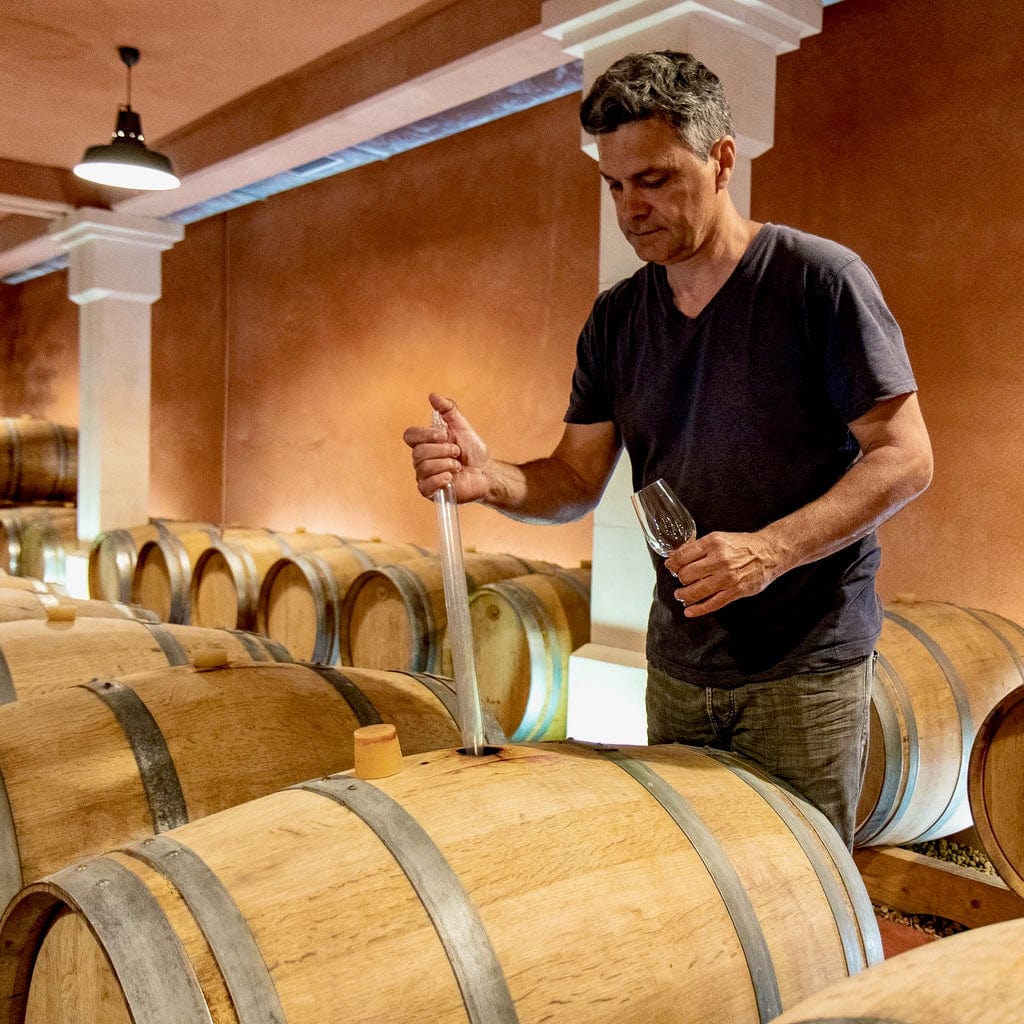
Furthermore, the blending of several grape varieties gives a unique complexity to Rhône red and white wines. After alcoholic fermentation, the wines are aged in oak barrels.
Many producers adopt sustainable viticulture practices, promoting biodiversity in the vineyard while respecting the controlled appellations.
Each stage of production highlights the richness of the terroir and the ancestral know-how of the winemakers, who create vintages appreciated during great tastings.
Food and wine pairings: sublimating the flavors of Rhône wines
The red winesof the Rhône Valley go perfectly with grilled meats and slow-cooked dishes in sauce. They reveal their full aromatic complexity alongside spicy dishes from Mediterranean cuisine.
Rhône white wines, for their part, deliciously accompany seafoodand noble fishthanks to their natural freshness. They pair excellently with fresh goat cheeses and exotic fruit desserts. As an aperitif, rosé wines offer a beautiful harmony with fine charcuterie and Provençal tapas.
The Let it BiB approach: authentic Rhône Valley wines in bag-in-box
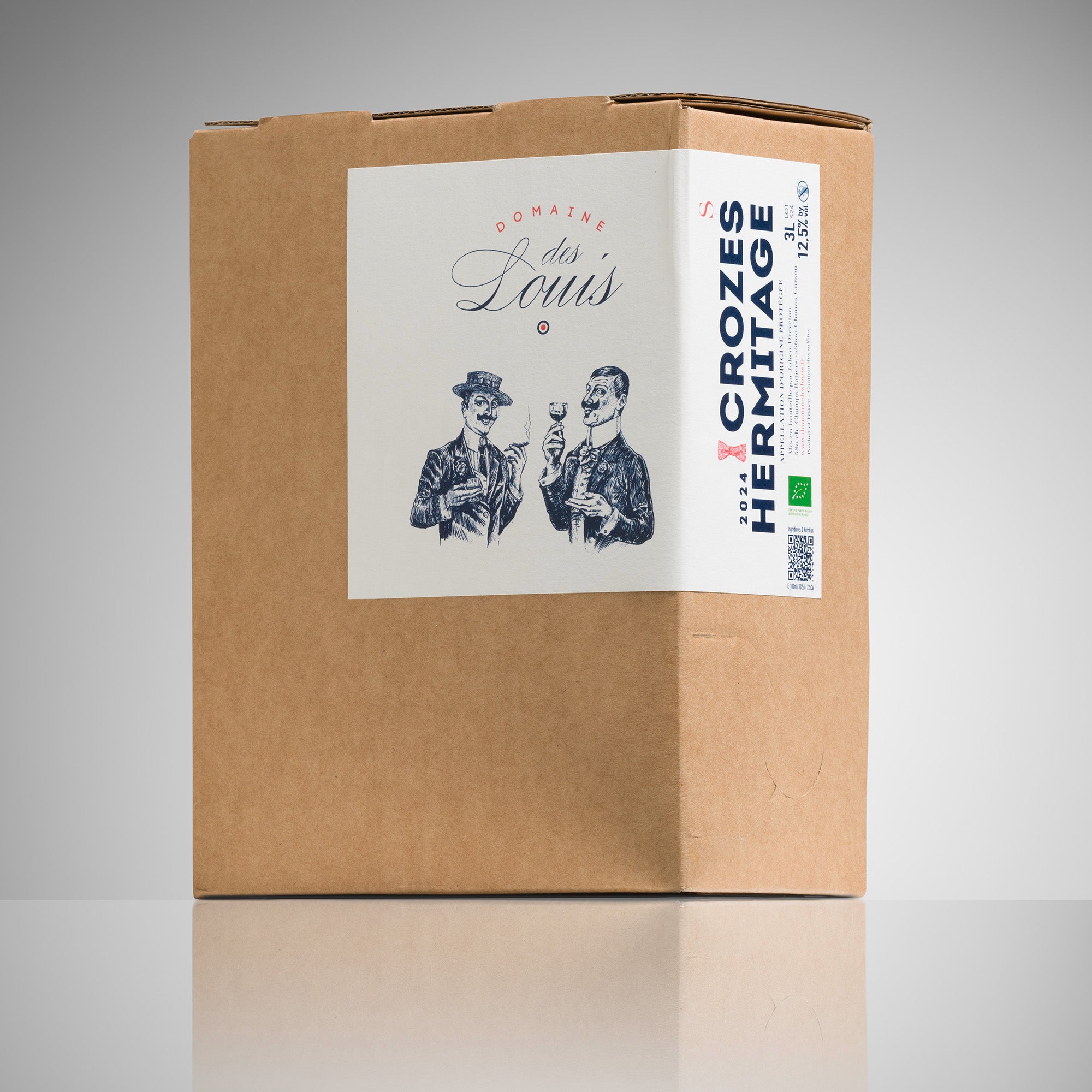
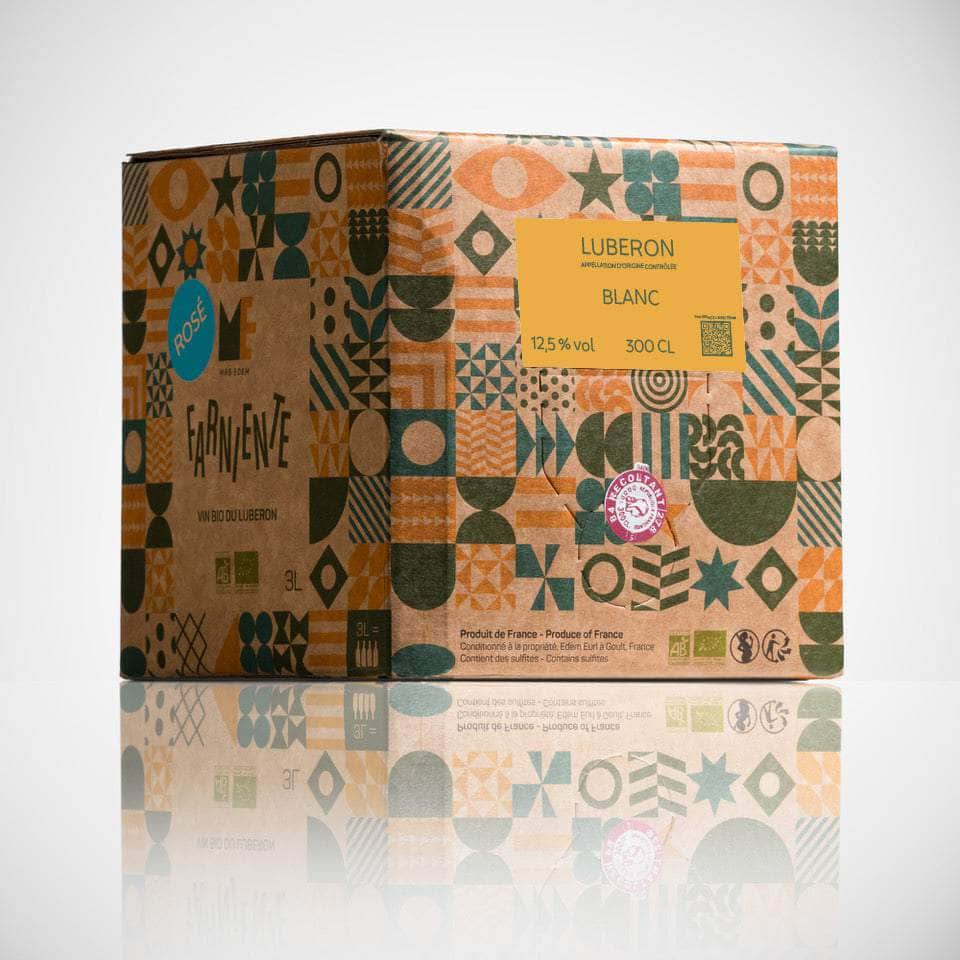
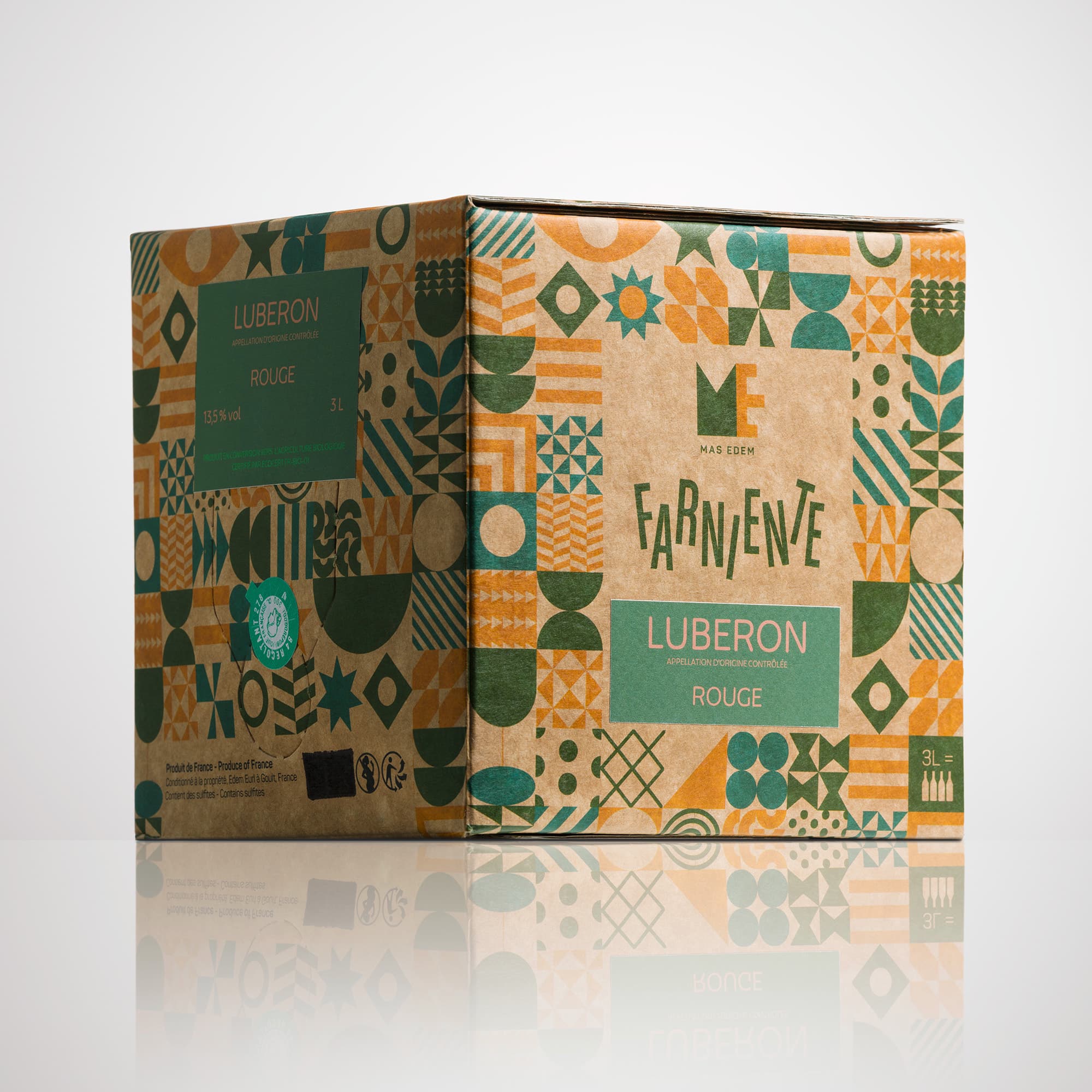
Let it BiB offers a varied selection of Rhône Valley winesin bag-in-box, each from natural viticulture that respects the terroir. Among these vintages, " Les Petits Buis" from Domaine Richaud combines Grenache, Mourvèdre, and Counoise harvested on red clay and pebble soils. Manual harvesting and vinification without additives reveal the fruity aromas and the freshness typical of the cru.
The " Entre Copains" vintage from Domaine de Prapin, made from Gamay noir with white juice grown on granitic gneiss, illustrates an organic and biodynamic approach. The grapes, harvested by hand, undergo spontaneous fermentation and artisanal work in concrete vats. Traditional techniques preserve the aromatic expression and finesse sought by lovers of fruity and light red wines.