Portugal attracts visitors with its diverse landscapes, ancient culture, and unique terroirs. In the heart of this country, vines flourish and vineyards produce red and white wines. This viticultural richness raises the question: how do climate, grape varieties, and winemaking shape iconic vintages? We will explore the history of Portuguese wines, their winemaking, and the selection offered by Let It BiB. Browse our selection of Wine boxes, discover our delicious Red wineand let yourself be tempted by our refined White wineto complete your cellar.
The history of Portuguese wines
Portugal benefits from an ancient and rich vineyard, shaped by vines planted on varied terroirs. For centuries, Portuguese winemakers have cultivated
local grape varieties. This has allowed for the creation of intense red wines and fresh white wines. This winemaking tradition has spanned the ages, and the country has established itself as one of Europe's iconic producers, thanks to the diversity of its appellations and the typicality of its regional wines.
The first vinesappeared as early as the Roman era, then were perfected in the Middle Ageswith techniques adapted to hills and slopes. The renown of Portuguese vintages, such as Portor Vinho Verde, illustrates the finesse and fruitiness of the wines. Today, Portuguese vineyards continue to pass on an ancestral heritage, offering rich aromas and a unique aromatic palette, a reflection of the country's diverse climates and soils.
Grape varieties and their influence on aromas
Portugal possesses an incredible diversity of grape varieties, many of which are indigenous and rarely grown elsewhere. This richness gives the wines a singular identity and a palette of varied aromas. Among the red wines, Touriga Nacionalstands out for its power, notes of dark fruit, and elegant tannins. Aragonezbrings roundness and fruity touches, while Trincadeiraoffers spicy flavors and a suppler structure.
As for white wines, Alvarinhocaptivates with its freshness, lively acidity, and hints of citrus, while Rabigatoor Arinto add minerality and tension. Each grape variety plays a role in the wine's balance, influencing the aroma, texture, and length on the palate. Thanks to these unique vine plantings, the Portuguese vineyard presents fruity, floral, or spicy profiles that reflect the diversity of the terroirs.
Winemaking and Portuguese expertise
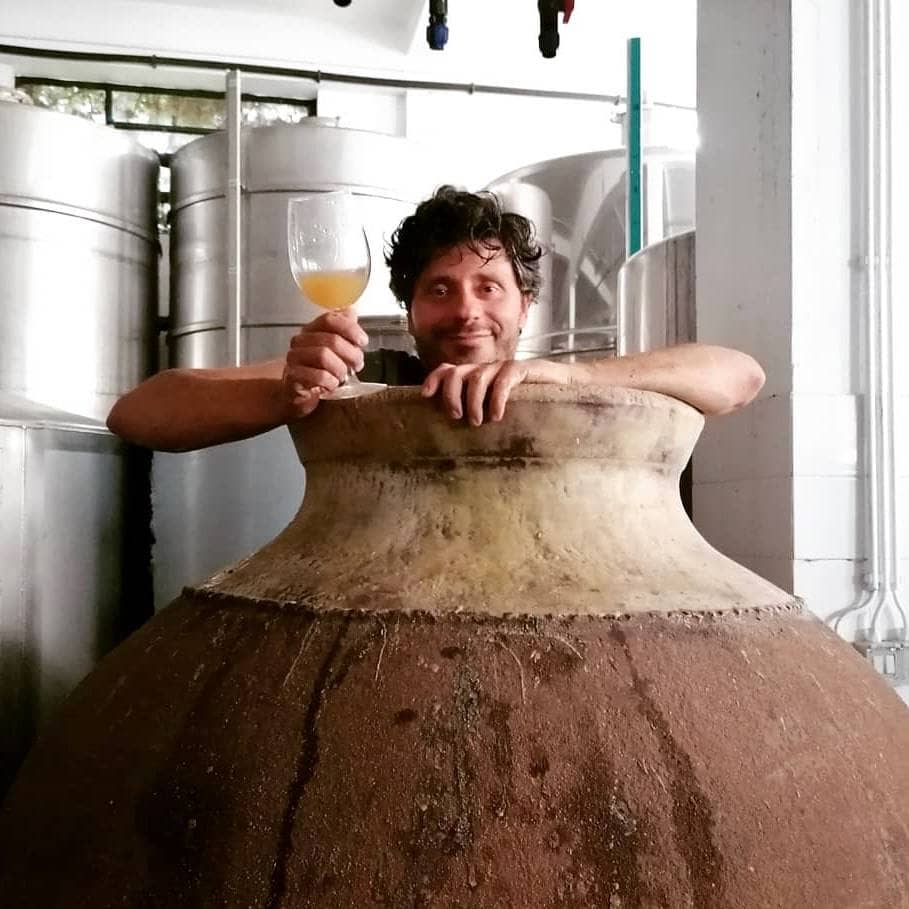
Winemaking in Portugal relies on a blend of ancestral heritage and modern innovation. Winemakers adapt their methods to the characteristics of each terroir. Harvesting the grapes, often still done by hand in old vines, helps to preserve the quality of the bunches. Then comes pressing, which can be carried out in traditional lagares where the grapes are trodden by foot. It is, in reality, a practice still alive in some regions.
Fermentation, the key to transforming must into wine, varies according to the desired style. Stainless steel tanks are used to preserve aromatic freshness. As for oak barrels, they provide structure and complexity. Aging completes this process. The latter gives red wines depth and silky tannins, while white wines gain in roundness and minerality.
The diversity of Portugal's wine appellations and regions
Portugal distinguishes itself with a multitude of wine regions, each possessing a unique vineyard and vines adapted to its terroir. The steep hills of the Douro offer a granitic soil ideal for producing powerful red wines and natural sweet wines. Vinho Verde, in the northwest, is famous for its dry, light, and fruity white wines. In the Alentejo, sunny hillsides and plains favor the production of aromatic red wines, rich in tannins, and white wines with fruit and citrus aromas.
These appellations reflect the typicality of local grape varieties and the diversity of vintages. Each wine regionhas its own cultivation rules, winemaking methods, and harvesting techniques, ensuring the creation of great wines with varied aromatic profiles. This richness offers enthusiasts an extensive aromatic palette and a tasting experience rich in nuances.
Let It BiB's Portuguese wines: tradition and quality in BIB
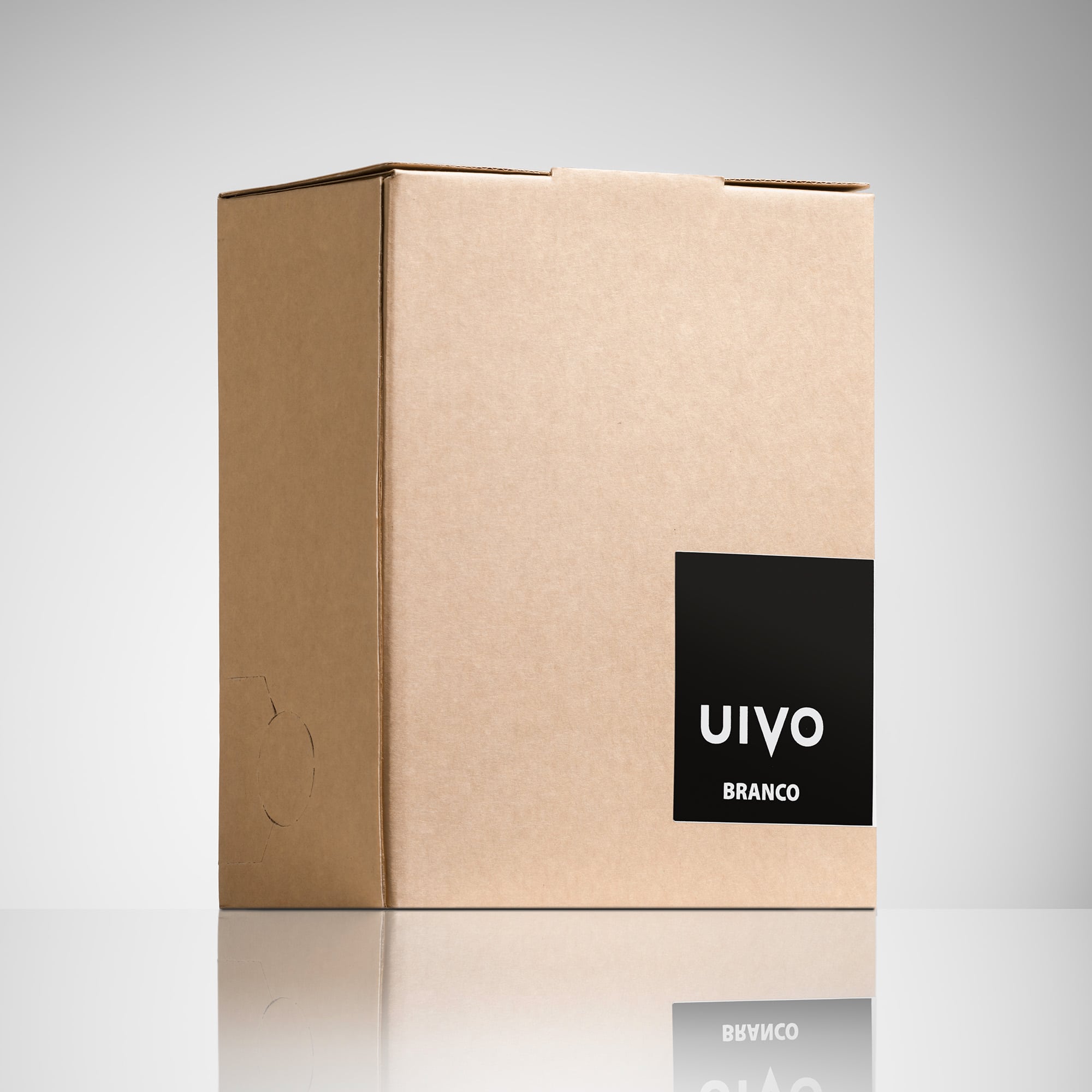
For lovers of red and white wines, Let It BiB offers an authentic selection of Portuguese vintages, reflecting local grape varieties and varied terroirs. You will find the 2023 Filas Red from Quinta do Montaltoand the 2023 UIVO White from Folias de Baco,
two wines packaged in BIB that offer aromas, freshness, and aromatic complexity.
The 2023 Filas Red from Quinta do Montalto, crafted by André Gomes Pereira, perfectly illustrates the balance between local grape varieties and modern winemaking techniques. Composed of Aragonez, Touriga Nacional, Trincadeira, Alicante Bouschet, and Syrah, this red wine expresses fruity and floral aromascharacteristic of its terroirs. Hand-picked and sorted grapes, followed by destemming, maceration, and fermentation in temperature-controlled stainless steel tanks, help to preserve freshness, acidity, and finesse.
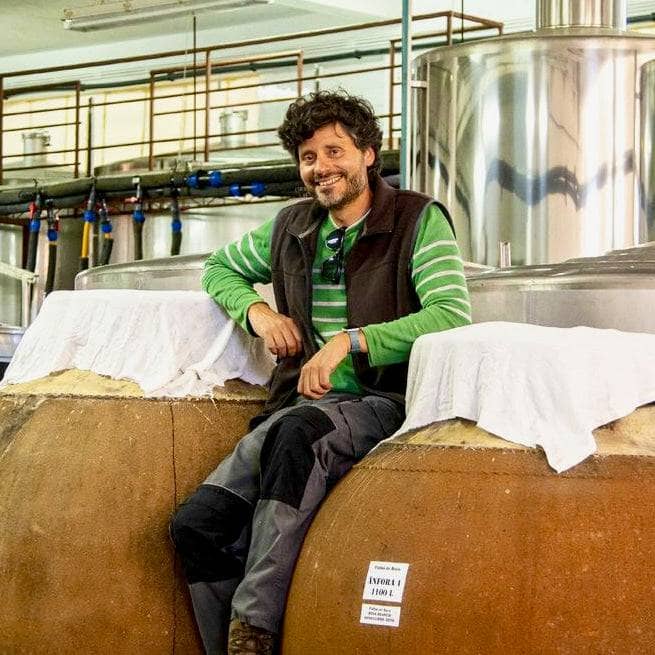
The 2023 UIVO White from Folias de Baco, produced in the Douro, highlights the Arinto and Gouveio white grape varieties planted on schist and granite soils at an altitude of 600 meters. The 35-year-old vines, farmed organically, produce grapes with intense aromas and unique freshness. Winemaking in cement tanks, with long maceration and spontaneous fermentation, followed by partial aging in barrels, gives the wine a complex, fresh, and fruity profile.