Carignanis a red grape variety that piques curiosity due to its unique journey in the world of wine. With its distinct identity, it belongs to the great family of fruity and aromatic red wines. Often less known to the general public, it nonetheless reveals an authentic style that reflects the diversity of wine-growing regions and the expertise of winemakers. This article invites you to explore all the particularities of this grape variety and to better understand what makes it special in the wine world.
Origins and specificities of the Carignan grape variety
Carignanis a red grape variety known for its long
history within Mediterranean vineyards. Originating from Spain, it spread mainly throughout the Languedoc, Roussillon, and southwestern France, where it adapts perfectly to varied and sunny terroirs.
The Carignan vinethrives on stony hillsides benefiting from the Mediterranean climateand constant sunshine. Its establishment has led to the birth of numerous AOCs (Protected Designations of Origin) and prestigious appellations.
This grape variety produces compact bunches with intense ruby-colored berries. Winemakers appreciate Carignan's resistance to heat and diseases like powdery mildew, as well as its ability to offer beautiful yields on old vines. It long held a dominantplace in blends in the
south of France, where it contributes to the development of red wines with character and the reputation of the wine heritage. Furthermore, the diversity of terroirs, from limestone soils to
schist or clay plots, allows
for obtaining varied aromatic nuances. The richness of the soil influences the maturity of the grape, the complexity of red or black fruit aromas, and the finesse of the tannins specific to each vintage.
The deep roots of Carignan
in French vineyards remain a symbol of the link between tradition, terroir, and wine innovation. Winemakers perpetuate this culture in a quest for authenticity and respect for the
landscapes. This makes Carignan an essential grape variety for producing fruity, elegant, and typical red wines.Winemaking process and production techniquesThe vinification of Carignan highlights ancestral know-how combined with modern methods to reveal
the finesse of the variety.
Hand-harvestingfavors the selection of the ripest bunches to ensure great aromatic richness. After the harvest, the grapes are often destemmed and then transferred to vats for a
long maceration, ideal for extracting tannins, the ruby color, and intense red fruit aromas. It should be noted that some vintages benefit from spontaneous alcoholic fermentation using indigenous yeasts, which brings unique nuances to each wine.The gentle pressingallows for the preservation of notes of black fruits, blackberry, and violet, while maintaining
a structuring acidity. Depending on the winemaker's choices, aging can take place in oak barrels, concrete vats, or casks. This gives Carignan red wines woody touches, an
ample texture
, and a
remarkable aging potential without sacrificing freshness.Carignan food pairingsCarignan wine, thanks to its tannic structure and fruity aromas, lends itself to many food and wine pairings. It ideally accompanies dishes rich in flavor, such as grilled red meats, roasted lamb chops, or sauced preparations. Its roundness and depth also allow it to pair with
game, spicy dishes based on summer vegetables, or even aged hard cheeses.In its softer versions or when blended, particularly with
Grenache or Syrah
, it can also
suit lighter dishes such as roasted poultry or a plate of charcuterie. Certain Carignan wines, from fruity vintages aged without wood, go very well with an aperitif among friends featuring local products.Let it BIB: a unique Carignan wine experienceAt
Let it BIB, we champion Carignan wine by offering a rigorous selection of vintages from
passionate winemakers committed to viticulture that respects living things. We favor wines produced through organic or biodynamic farming,
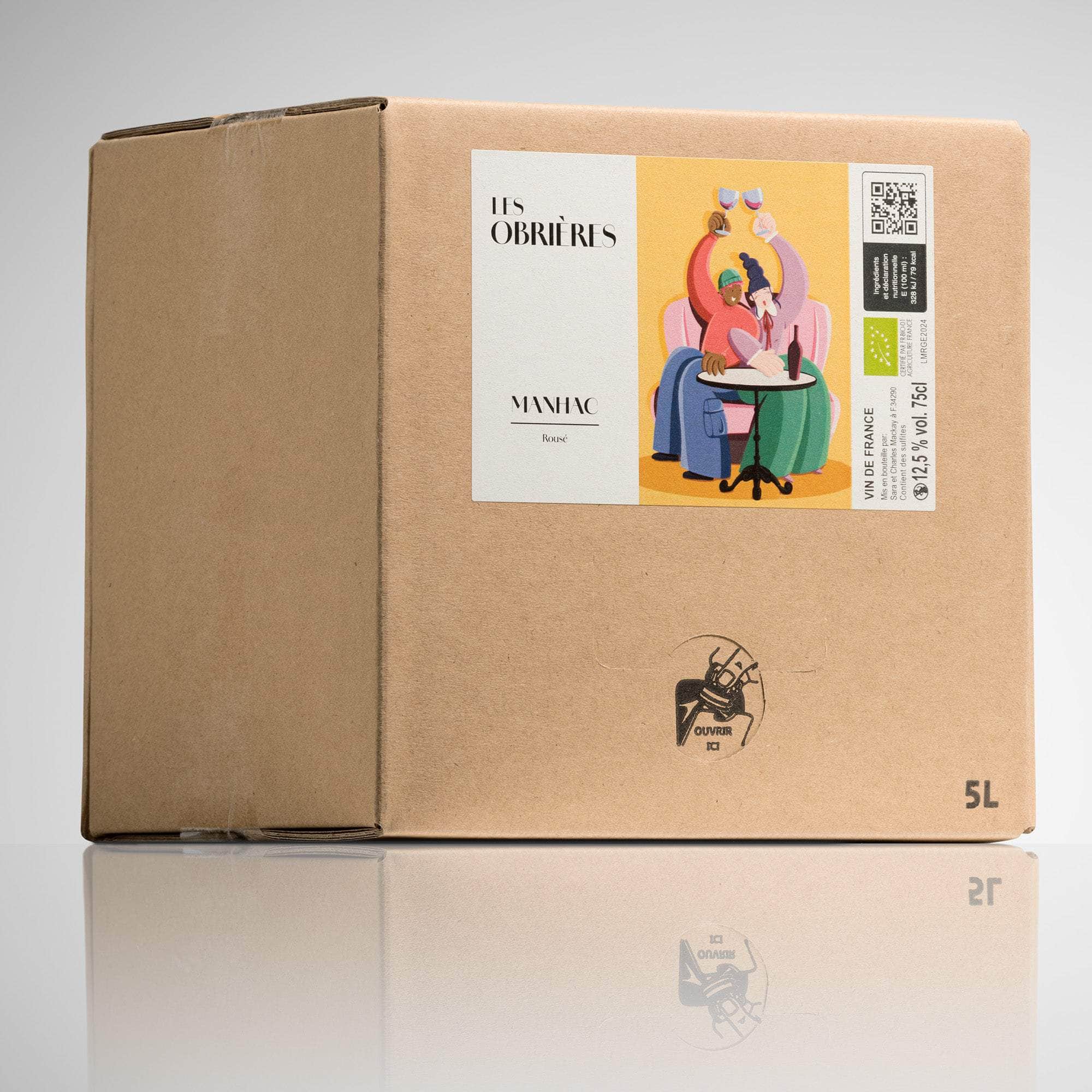
sourced from the authentic terroirs of Languedoc and Roussillon.One of the original aspects of Let it BIB lies in its preferred packaging. Indeed, Carignan wine is packaged in a
bag-in-box (cubi)